Head: Dr. rer. nat. Jan Giesen
The research group is engaged in various cardiopulmonary projects concerning physiological and pathophysiological processes at the cellular and systemic levels.
Basic research for characterization of signal transduction processes by pharmacological or genetic manipulation at the cellular level, are translated into more complex research models – from cultured tissue sections to the level of the intact organism. New insights into the development and progression of complex cardiopulmonary pathophysiology - such as vascular dysfunction, heart failure, and pulmonary arterial hypertension – enables the identification of new pharmacological targets for the prevention and treatment of various cardiopulmonary diseases.
The research focuses on thromboxane- and NO-mediated signaling, characterizing their roles and interactions in physiological and pathophysiological processes. In vitro analyzes of pharmacologically and genetically manipulated signal transduction processes are conducted using primary murine and human cell types, as well as lentiviral-transduced immortalized human cell lines. Moreover, genetically modified mouse lines are employed to elucidate the role of thromboxane- and NO-mediated signaling in vivo in various experimental models of cardiopulmonary diseases.
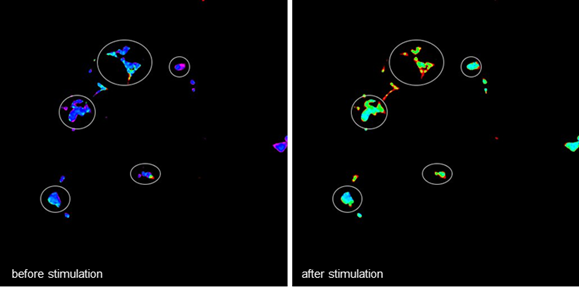
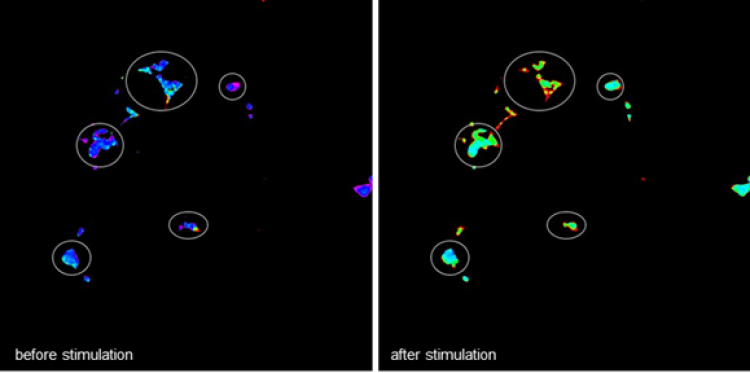
A particular methodological focus of the research group is the use of FRET microscopy to analyze cellular cGMP signaling in primary cells, immortalized cell lines, and acute tissue sections. Moreover, molecular biological, protein biochemical, histological and cell biological methods are used.

Copyright © pharmacology 2026
Last update: Feb 02, 2026