Head: Dr. Lukas Menges
The cardiorenal system describes the close interplay between the heart and the kidneys in the regulation of blood pressure and fluid balance, whereby dysfunction of one organ can adversely affect the other. This interaction is controlled by biochemical signaling cascades, that is, molecular chain reactions that translate external stimuli into specific cellular responses. One prominent example is the NO/cGMP signaling pathway: nitric oxide (NO) is produced in vascular cells and activates guanylyl cyclase in target cells, leading to an increase in intracellular cGMP levels. This, in turn, causes vasodilation, lowers blood pressure, and thereby reduces the functional load on both the heart and the kidneys.
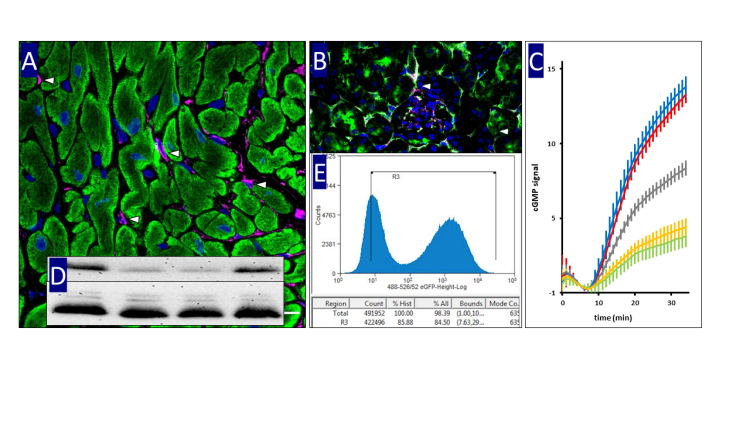
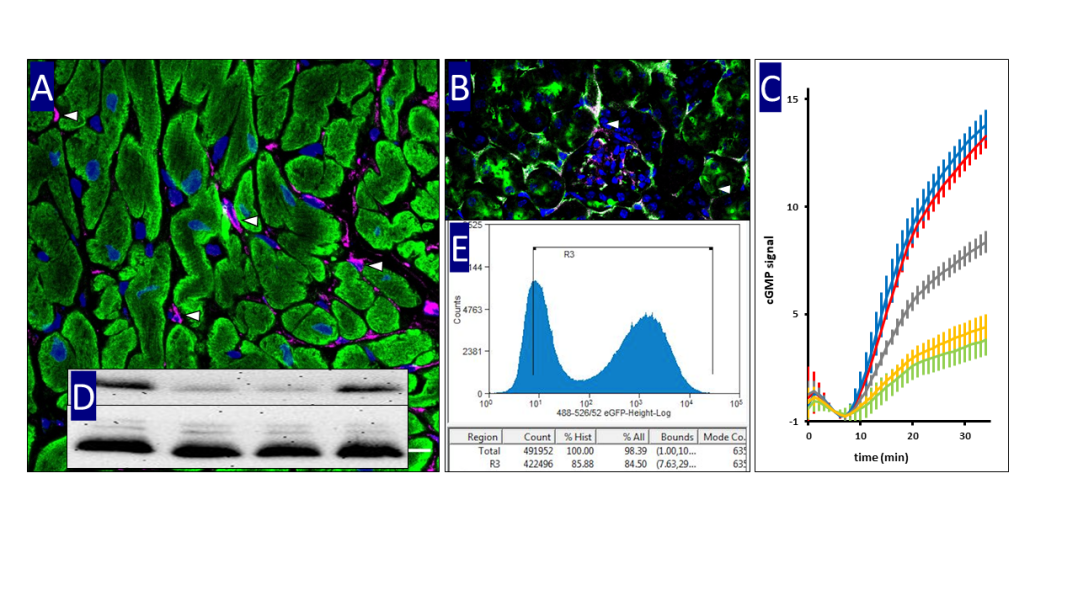
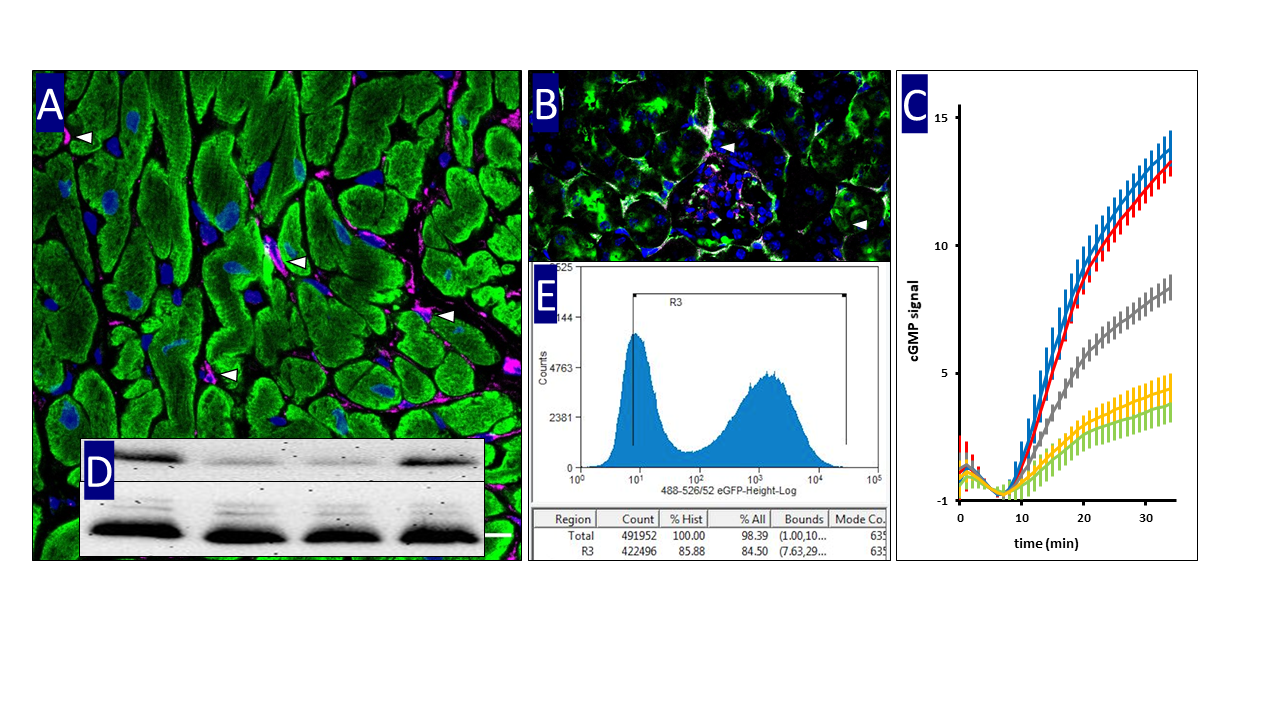
In our research projects, we investigate the presence, regulation, and subcellular localization of cGMP signaling in cardiac and renal tissues. To this end, we employ a broad range of biochemical techniques, including Western blotting and qPCR, as well as molecular and cell biological approaches such as immunohistochemical staining, fluorescence microscopy, flow cytometry, and genetic methods including transfections. Our experimental work is based on both human cell lines and murine cells and tissue samples.
The research group also investigates transport mechanisms relevant to metabolism and cardiovascular health. The focus is on the ABC transporter ABCG2, which regulates uric acid excretion in the gut. We are exploring how genetic variants and sex-specific factors influence the expression of this transporter in intestinal epithelial cells and how these changes impact uric acid levels and cardiovascular risk. These data are also important for kidney health, as impaired uric acid excretion in the gut can place additional strain on the kidneys, further increasing cardiovascular risk.

Copyright © pharmacology 2026
Last update: Feb 02, 2026